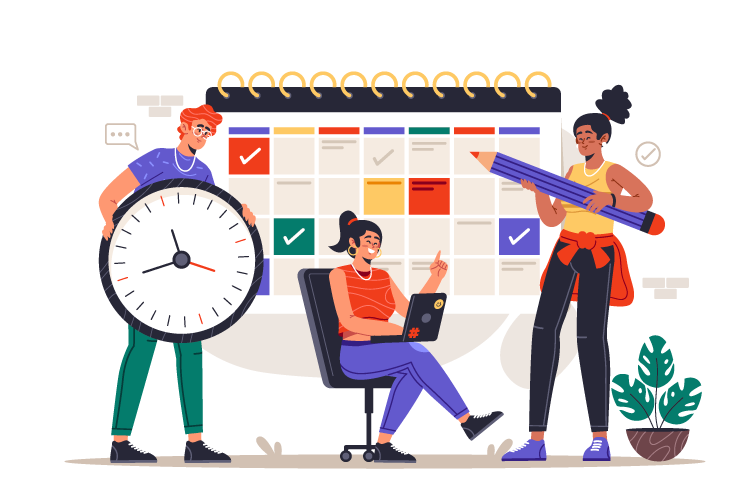
In today’s fast-paced dining industry, customer experience is just as important as food quality. Long wait times, overbooked tables, and frequent no-shows can quickly hurt a restaurant’s reputation and revenue. This is where a restaurant table management system becomes a game-changer. By using a smart reservation system, restaurants can streamline operations, improve guest satisfaction, and significantly reduce restaurant no-shows while maximizing table utilization.
Many restaurants still rely on manual booking methods or basic spreadsheets to manage reservations. While this may work during slow hours, it often fails during peak times. Hosts struggle to track table availability, walk-ins pile up, and guests grow impatient. Inefficient table turnover leads to longer wait times, lost revenue, and frustrated customers who may not return.
A modern restaurant table management system eliminates guesswork by providing real-time visibility into table status, seating capacity, and reservation schedules. This allows staff to seat guests faster and keep service flowing smoothly, even during the busiest hours.
One of the biggest benefits of adopting technology-driven solutions is improved table efficiency. Automated tools analyze dining duration patterns and predict table availability accurately. Instead of overestimating wait times, hosts can give guests realistic expectations, which improves trust and satisfaction.
With intelligent scheduling, restaurants can stagger reservations to avoid bottlenecks. This reduces overcrowding at the entrance and ensures a steady flow of diners throughout service hours. When tables turn faster without feeling rushed, both guests and staff benefit.
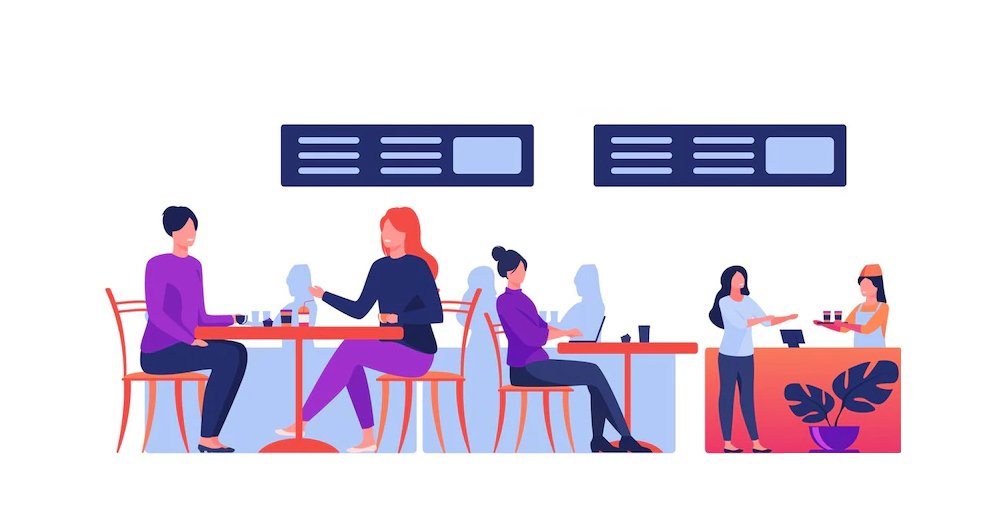

No-shows are a silent profit killer in the restaurant business. Empty tables during prime hours mean lost sales that can never be recovered. Digital reservation tools help reduce restaurant no-shows through automated confirmations, reminders, and easy cancellation options.
When guests receive timely reminders via SMS or email, they are more likely to honor their bookings or cancel in advance. This gives restaurants the opportunity to reassign tables to walk-ins or waitlisted guests. Over time, these features help build a more reliable reservation culture among customers.
A smart reservation system does more than just book tables. It collects valuable customer data such as dining preferences, visit history, and peak hours. Restaurants can use this information to personalize experiences, optimize staffing levels, and plan inventory more effectively.
Additionally, integration with POS systems and CRM tools allows for seamless coordination between front-of-house and back-of-house operations. This level of automation reduces human error, improves communication, and creates a smoother dining experience overall.

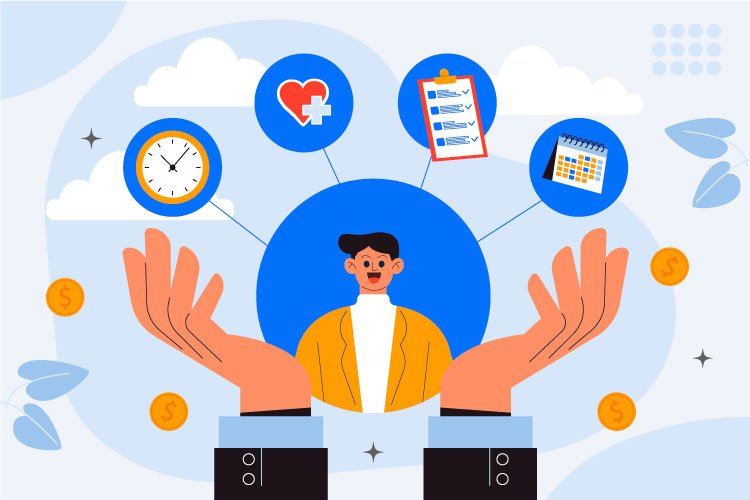
Beyond daily operations, investing in smart table management supports long-term growth. Restaurants gain better control over capacity planning, improve staff productivity, and increase revenue per table. A reliable restaurant table management system also helps managers make data-driven decisions instead of relying on intuition.
By leveraging a smart reservation system, businesses can proactively reduce restaurant no-shows, shorten wait times, and build stronger relationships with their guests. In an industry where experience drives loyalty, these advantages can set a restaurant apart from its competitors.
Most systems are user-friendly and require minimal training, making adoption quick and easy for restaurant teams.